


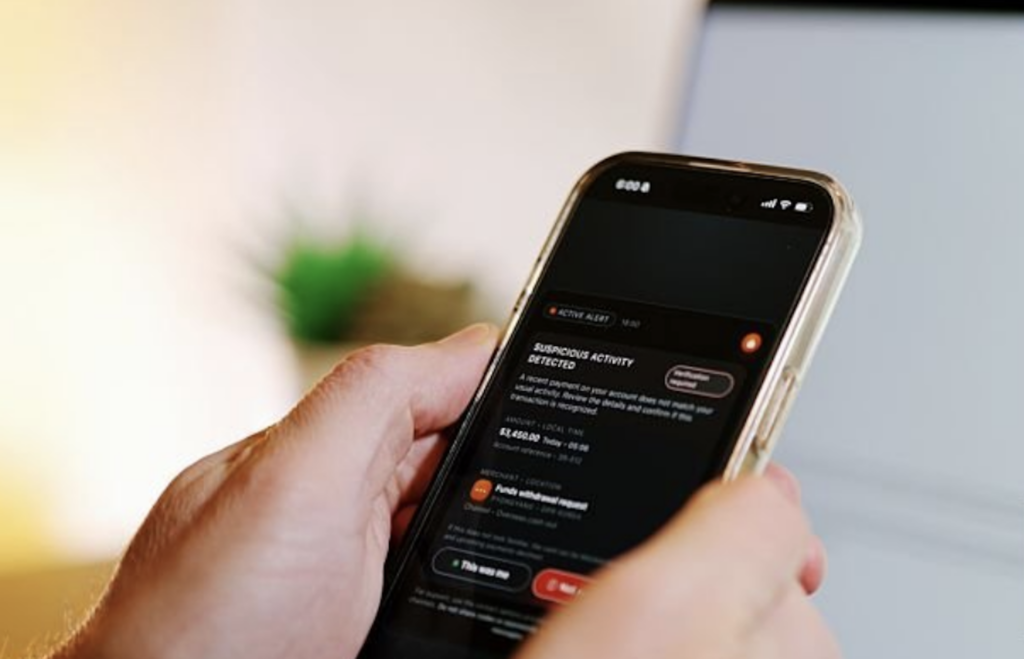
Your phone rings. The caller ID says “Coast Central Credit Union,” and the voice on the other end sounds calm and professional. They say there’s been suspicious activity on your account and ask you to verify a few details so they can protect your money.
It’s enough to make anyone stop what they’re doing. You want to make sure your money is safe.
That instinct—to act fast when your money feels threatened—is exactly what scammers are counting on. Credit union impersonation scams are becoming increasingly convincing. The good news is that once you understand how these scams work, it’s much easier to recognize the warning signs before they succeed.
What Is a Credit Union Impersonation Scam?
A credit union impersonation scam is a type of imposter scam where someone pretends to represent a trusted financial institution to trick you into sharing sensitive information or sending money.
Scammers count on the trust you’ve built with your credit union. If you believe you’re talking to someone who’s trying to protect your account, you’re more likely to respond before stopping to question the request.
When scammers impersonate a financial institution, they typically reach you in one of two ways: by phone or by text message. Those methods are known as vishing and smishing, and understanding the difference can help you recognize a scam before it succeeds.
What Is Vishing?
Vishing, short for voice phishing, is a scam that happens over the phone. Someone claiming to be from your credit union calls and says there’s a problem with your account. They create a sense of urgency and pressure you to share personal information or move your money to “protect” it.
Some common voice phishing examples include:
- “We’ve detected fraud on your account. Please confirm your card number so we can stop it.”
- “Read me the one-time security code we just texted you to verify your identity.”
- “Your account has been compromised. Transfer your money to a secure account immediately.”
The details may change, but the pattern is usually the same: urgency, pressure, and requests for information a legitimate credit union would never ask you to provide.
What Is Smishing?
Smishing is the text message version of phishing. The name comes from “SMS phishing.”
Instead of a phone call, you receive what appears to be a fraud alert from your credit union. It might say something like:
“Coast Central: Did you authorize a $482 purchase? Reply YES or NO.”
The message often includes a link.
Clicking that link can take you to a fake website designed to steal your username, password, or other account information. A fake fraud alert text can look very convincing, which is exactly why these scams are so effective.
Many people refer to these as bank text scams, but the same tactics are used against credit union members.
Vishing vs. Smishing: What’s the Difference?
Vishing and smishing share the same goal—getting you to hand over sensitive information—but they use different methods.
- Vishing happens over a phone call and relies on a live conversation to create pressure.
- Smishing happens through text messages and often relies on fraudulent links.
In many cases, scammers use both together. You may receive a text first, followed by a phone call “confirming” the suspicious activity to make the entire situation feel more legitimate.
How Do Scammers Fake Coast Central’s Phone Number?
One of the most surprising parts of these scams is that the phone number itself can appear legitimate.
This tactic is called phone number spoofing, or caller ID spoofing. Using readily available technology, scammers can make almost any name or phone number appear on your screen—including a real Coast Central phone number.
That’s why caller ID alone isn’t enough to tell you who’s really contacting you. A spoofing scam is designed to make you trust what you see before you have time to question it.
Will My Credit Union Call Me About Fraud?
Yes. Like many financial institutions, Coast Central may contact you if we detect unusual activity on your account.
The difference is what we’ll never ask you to do during that conversation.
Coast Central will never ask you to:
- Share your full account number.
- Reveal your PIN or online banking password.
- Provide a one-time security code sent by text or email.
- Transfer money to a “safe” account.
- Pay with gift cards, wire transfers, or cryptocurrency.
If a caller or text asks you to do any of these things, stop the conversation immediately.
Remember: Even if the caller ID says “Coast Central,” a legitimate employee will never mind if you hang up and call us back using a trusted phone number.
Signs of a Phone Scam
Most impersonation scams share the same warning signs. Be cautious if a call or text:
- Creates urgency and pressures you to act immediately.
- Asks for passwords, PINs, or one-time security codes.
- Requests payment by gift card, wire transfer, or cryptocurrency.
- Tells you to keep the situation secret.
- Threatens account closure, fees, or legal action if you don’t comply.
Even one of these warning signs is reason to pause. If you notice several, you’re likely dealing with a scam.
How to Verify a Call From Your Credit Union
The safest habit is also one of the simplest: hang up and call back using a trusted phone number.
This is one of the easiest ways to verify whether your credit union is really calling.
If someone contacts you claiming to be from Coast Central, don’t call back the number they provide or reply to the text message. Instead, contact us using the phone number on the back of your debit or credit card, the number listed on our official website, or the Coast Central mobile app.
If the original call was legitimate, we’ll gladly pick up where the conversation left off. If it wasn’t, you’ve protected yourself from becoming the victim of a scam.
How to Prevent Vishing and Smishing
A few simple habits can go a long way toward protecting your accounts.
- Slow down. Scammers rely on panic and urgency. If someone pressures you to act immediately, take a moment to think.
- Never share security codes. One-time passcodes, passwords, and PINs are for you alone.
- Don’t click unexpected links. Instead, log in through your credit union’s official website or mobile app.
- Set up account alerts. Real-time notifications through Coast Central’s Online or Mobile Banking can help you recognize legitimate account activity more quickly.
- When in doubt, contact Coast Central directly. We’d much rather answer your questions than have you wonder whether something is legitimate.
What Should You Do If You Gave Information to a Scammer?
If you think you may have shared information with a scammer, don’t panic. Acting quickly can help protect your accounts and limit potential damage.
Here’s what to do:
- Contact Coast Central immediately using a trusted phone number.
- Change any passwords or security codes you may have shared.
- Monitor your accounts closely for suspicious activity through Online or Mobile Banking.
- Report any unauthorized transactions as soon as possible.
How to Report a Scam Call
Reporting scams helps protect you and may help prevent others from becoming victims, too.
You can report scam calls, text messages, or other fraud attempts to the Federal Trade Commission online, even if you didn’t lose money.
If you believe your identity has been stolen, visit IdentityTheft.gov for a personalized recovery plan.
If someone is pretending to be Coast Central, please let us know as well. Reporting these scams helps us warn other members and continue protecting our community.
Coast Central Is Here to Help
You don’t have to navigate fraud and scams on your own.
For members across Humboldt, Del Norte, and Trinity counties, Coast Central is more than a place to bank. We’re your local financial partner, here to answer questions, help you recognize suspicious activity, and provide tools that help keep your accounts secure.
The next time your phone lights up with an urgent fraud alert, remember: a legitimate Coast Central employee will never mind if you hang up and call us back using a trusted number to make sure it’s really us.
If something doesn’t feel right—even if you’re not certain—give us a call. We’d always rather answer one extra question than see one of our members become the victim of a scam.
Coast Central—where YOU are Central.